
News & Blog.
BLOG POSTS

Europe in one classroom: 100+ nationalities trained
If you have ever joined an in-person drone course, you know the feeling: operators, engineers, first-time pilots, and safety teams all bringing different airspace habits, languages, and operational cultures into the same room.
At EU Drone Port, our founders have trained more than 4,000 professionals from 100+ nationalities, and that international mix shows up every time we run an in-person session in Barcelona. It is not a vanity metric. It is a practical advantage.
When you train alongside people who operate in different Member States, you get exposed to the real questions that appear in the field, not just the theory that appears on a syllabus.
At EU Drone Port, our founders have trained more than 4,000 professionals from 100+ nationalities, and that international mix shows up every time we run an in-person session in Barcelona. It is not a vanity metric. It is a practical advantage.
When you train alongside people who operate in different Member States, you get exposed to the real questions that appear in the field, not just the theory that appears on a syllabus.
Why we talk about nationalities, not just “students”
The EU drone framework is shared, but operations are never identical. A pilot flying near controlled airspace will face different considerations from someone carrying out rural inspection missions. A public safety team will approach operations differently from an audiovisual operator, and the way local authorities interpret the same regulations can also vary in the details.
In a multinational classroom, you naturally stress-test your assumptions across:
That variety makes the Q&A sharper, the scenarios more realistic and the learning more transferable if you ever operate across different European countries.
The video below offers a glimpse of that international environment, showing the range of nationalities represented in one of our STS training courses.
In a multinational classroom, you naturally stress-test your assumptions across:
- local authority expectations and documentation requirements
- airspace culture, particularly around aerodromes, FIZs and controlled zones
- operational constraints, from urban vs rural environments to VLOS and BVLOS preparation
- use cases, ranging from content production and industrial inspection to emergency response
That variety makes the Q&A sharper, the scenarios more realistic and the learning more transferable if you ever operate across different European countries.
The video below offers a glimpse of that international environment, showing the range of nationalities represented in one of our STS training courses.
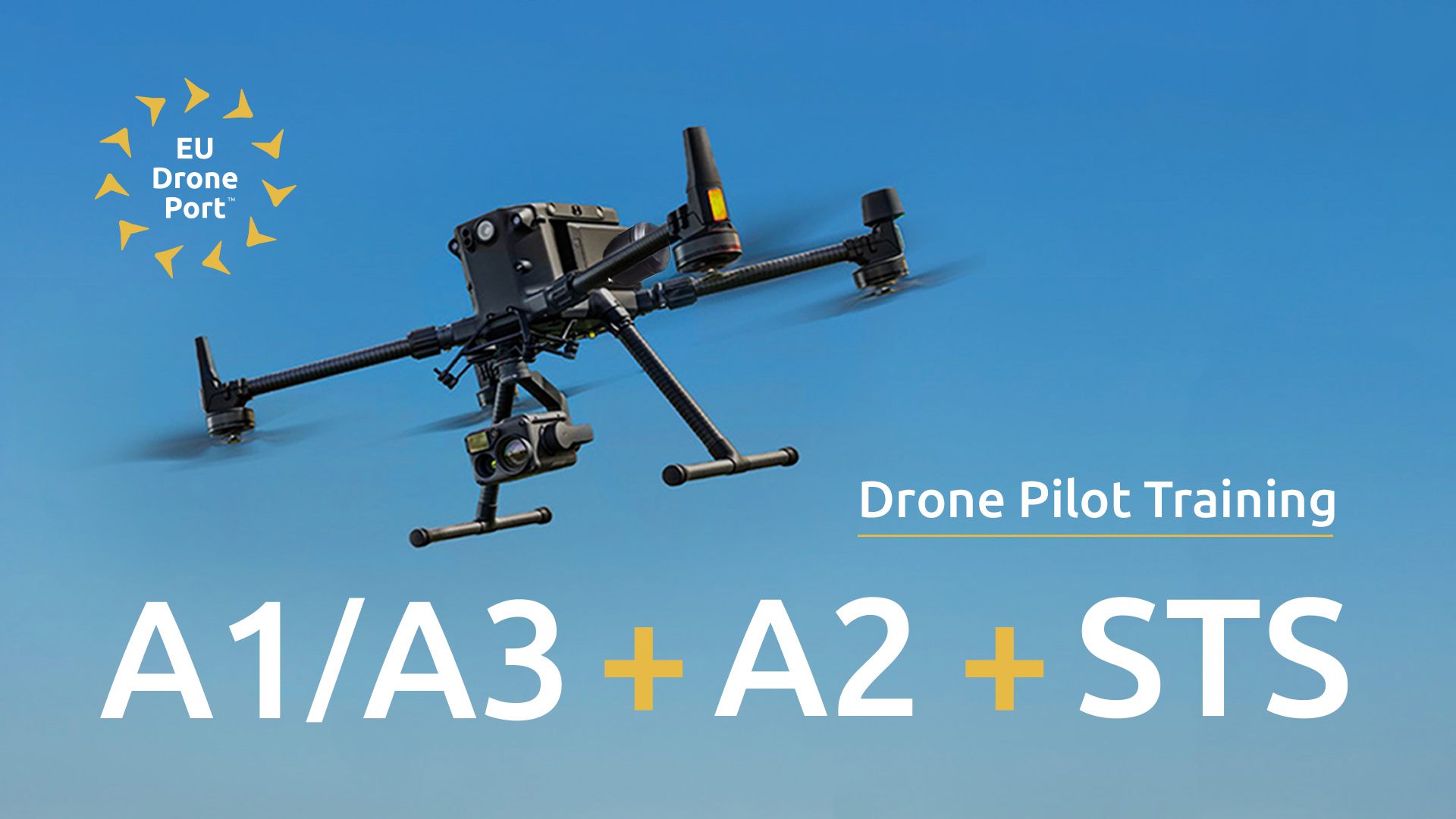
A clear roadmap: A1/A3 → A2 → STS
Most professional drone pilots in Europe follow a progression:
The goal is not to “collect certificates”. The goal is to build capability step by step, so you can fly safely, document properly, and scale your operations.
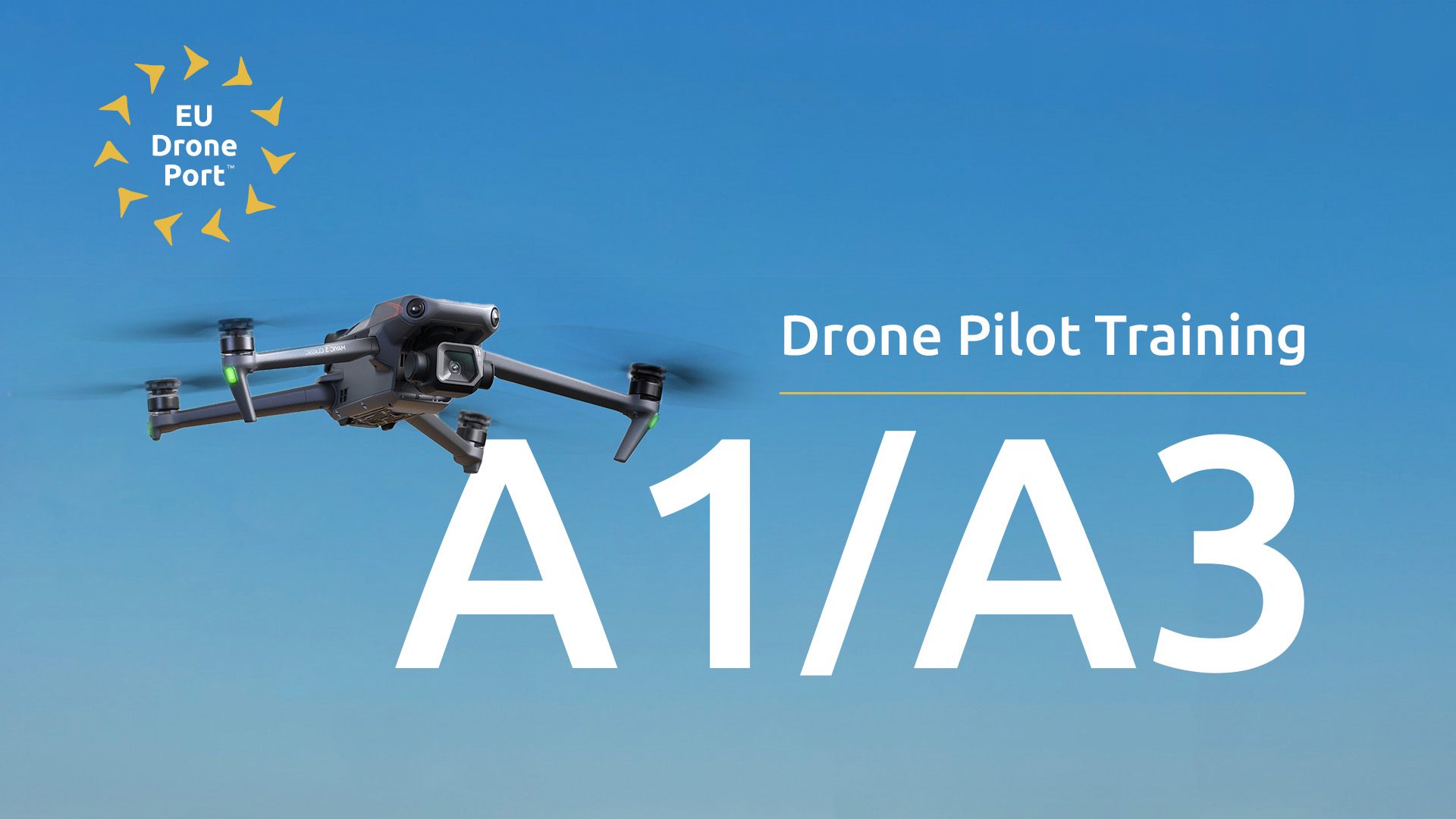
- A1/A3 to build the foundations: safety, airspace awareness, and regulatory literacy.
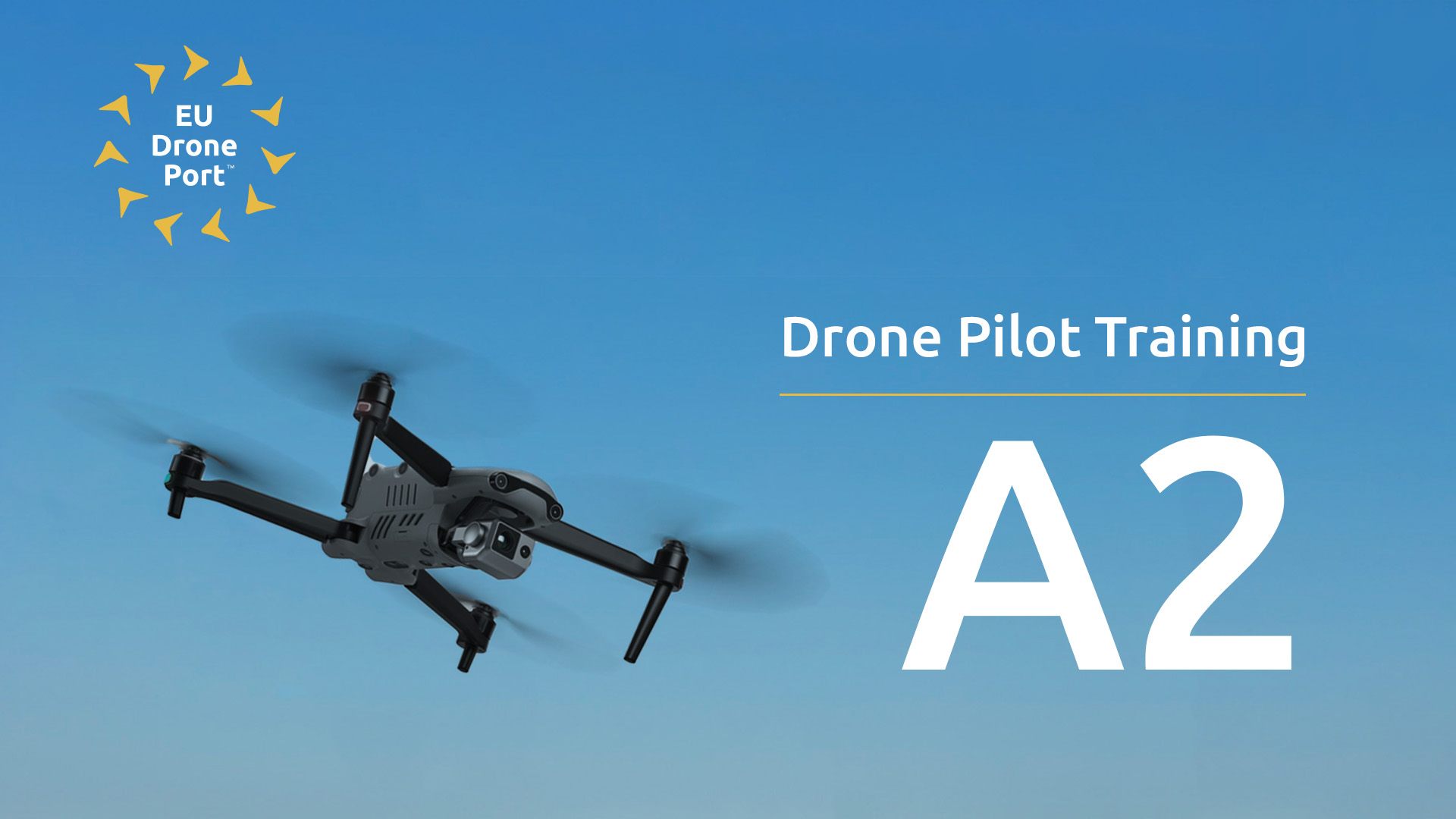
- A2 to operate closer to uninvolved people, with a higher competence requirement.
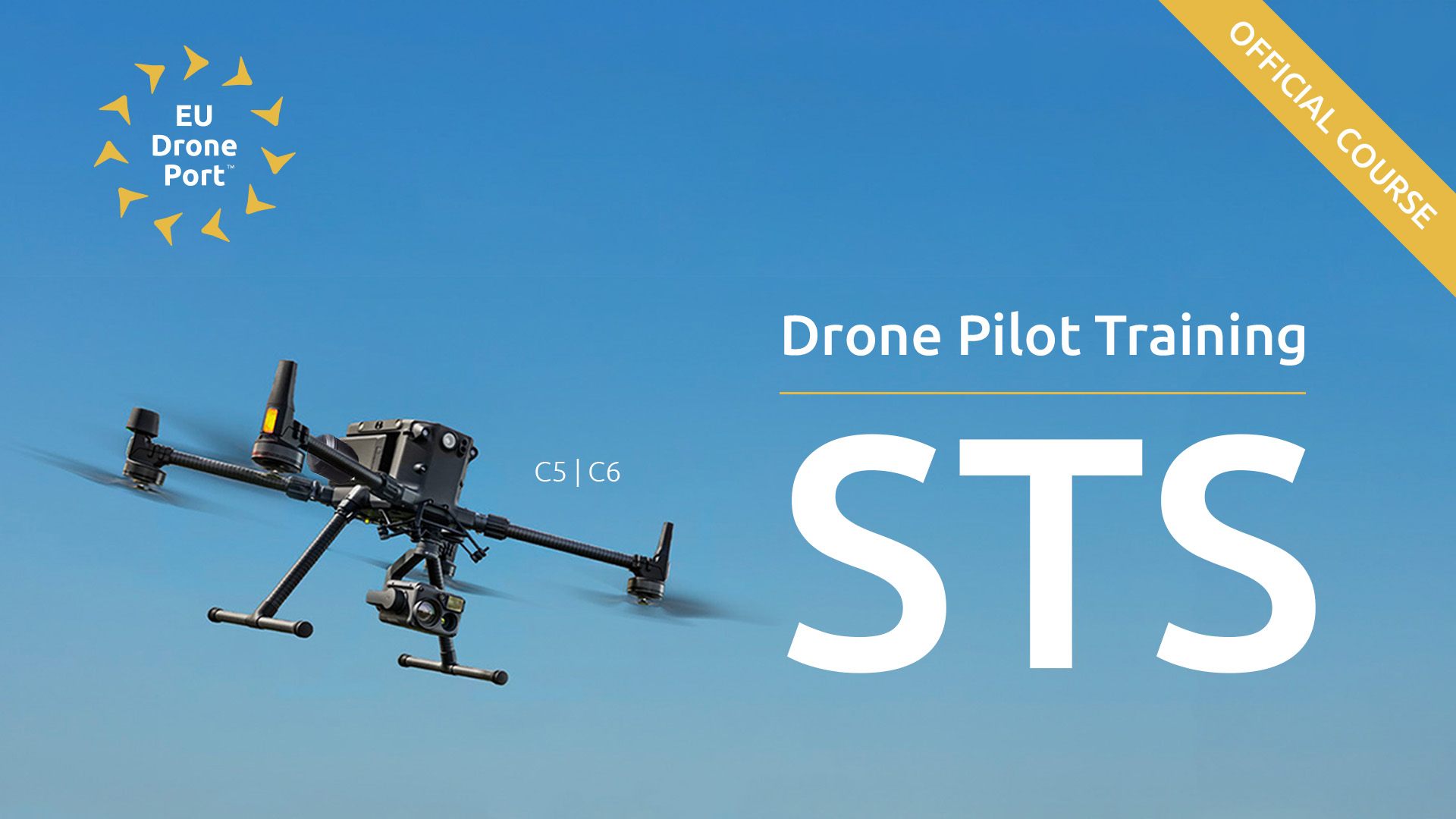
- STS to operate under Standard Scenarios in the Specific Category, where structured procedures and practical competence matter.
The goal is not to “collect certificates”. The goal is to build capability step by step, so you can fly safely, document properly, and scale your operations.
Choose your course
Why in-person matters, especially for STS
For many pilots, STS is the first time training shifts from “know the rules” to “execute the procedure”.
In an in-person environment, we can pressure-test:
You also get something that is hard to replicate online: peer comparison. When you hear how other pilots structure a checklist, write a risk note, or brief a crew, you borrow the best ideas fast.
In an in-person environment, we can pressure-test:
- pre-flight planning and briefing habits
- controlled ground area setup, and role clarity on site
- contingency thinking, decision-making, and safety margins
- evidence and documentation discipline, the part that often decides whether an operation is accepted or rejected later
You also get something that is hard to replicate online: peer comparison. When you hear how other pilots structure a checklist, write a risk note, or brief a crew, you borrow the best ideas fast.
A final thought
Europe is not one drone market. It is many local realities connected by one framework.
When 100+ nationalities show up in the same training ecosystem, we treat it as a reminder: good training must be operational, standardised, and usable across borders.
If you want help choosing the shortest compliant path, reply to us with your use case, drone class, and operating environment. We will point you to the right next step.
When 100+ nationalities show up in the same training ecosystem, we treat it as a reminder: good training must be operational, standardised, and usable across borders.
If you want help choosing the shortest compliant path, reply to us with your use case, drone class, and operating environment. We will point you to the right next step.
In most training roadmaps, A1/A3 is the first step because it builds the baseline knowledge you will reuse everywhere else.
No. Even if you only fly in one country, STS helps you operate with clearer procedures and a stronger safety culture.
It is advanced in the sense that it is structured and operational. It is still accessible if you follow the roadmap and prepare properly.
If you are new, start with A1/A3. If you already have A1/A3 and want to fly closer to uninvolved people, move to A2. If you are preparing for Specific Category Standard Scenarios, choose STS.
Yes. If you tell us your use case, drone class, and operating environment, we can recommend the shortest compliant path.